
Sprunki Sprinkle
Sprunki Sprinkle
Sprunki Sprinkle
What is Sprunki Sprinkle?
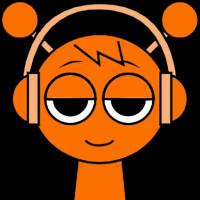
Sprunki Sprinkle presents its mixing board with round heads, simple line-shaped eyes and a bright cyan sky. Seven gray figures wait across the stage, with twenty illustrated tiles arranged underneath in two rows. Assigning a tile gives one figure a recognizable appearance and a repeating sound part. The orange headphone performer, red pointed performer and green-topped tree make useful first choices because their shapes are easy to remember. You do not have to fill the entire row. A pair can establish the direction of a mix, while one carefully chosen addition lets you hear the effect of a new layer without losing track of the earlier parts.
Sprunki Sprinkle is a stand-alone named mod rather than a release presented as a numbered Phase campaign. That distinction describes where it belongs in the collection, not everything it can show. The project also contains optional dark or horror content. Its initial bright setting should not be taken as a guarantee that every interaction is gentle. The original attribution screen names EmilyPartCat, while the itch uploader identifies their version as a repost with a downloadable moddable project. Those credits remain inside this player. No score target, life counter or countdown is visible on the basic mixing stage, so deciding when your arrangement feels complete is part of the activity.

Sprunki Sprinkle features
- The cast in Sprunki Sprinkle provides visual labels for your arrangement. Flat colors distinguish active performers from the gray waiting row, while a familiar outline helps identify a tile without a long written character list. Facial changes were observed on the orange and red performers during the local check; that does not mean every character has the same movement or an elaborate dance. Focus on which positions changed and which tiles became unavailable after assignment. When you replace one part, those visual clues make it easier to tell whether the new choice reached its target instead of relying only on memory of the sound.
- The two-row tile layout keeps the main choices together. Headphones, a tree, a hat and other pictures act as practical labels, rather than buttons for navigating the surrounding website. Hold a tile, carry it to a waiting body and release near its center. Empty space between figures is not an equivalent target. A brief assignment transition may appear before the performer settles into place, so allow that change to finish before trying another drag. Keeping the first few assignments separate makes the controls easier to understand. You can leave several positions unused while comparing a melody with an existing rhythm.
- Individual controls in Sprunki Sprinkle let you adjust one position without discarding the group. Hover over an assigned figure to reveal the small strip containing mute, solo and removal symbols. Muting a part and removing its performer are different decisions: the first is useful for a listening comparison, while the second opens a place for another choice. Try one symbol at a time and inspect the result. When you return to a favorite combination, remembering a picture and its position is often enough. This guide does not promise that every optional panel, hidden item or touch gesture has been exhaustively tested.
- A circular arrow at the upper right clears the arrangement for a fresh comparison. The menu and character-information entrance at the upper left are separate from this reset control. Neither is required before you can make your first mix. The original credits have been retained rather than replaced with a claim that this website created or officially licensed the mod. Optional horror presentation is a reason to explore cautiously if frightening imagery is not what you want from the session. The basic experience can be approached as a small, changeable ensemble without treating every available icon as compulsory progress.
How to play Sprunki Sprinkle
- Start Sprunki Sprinkle with the site's play button and wait for the flag inside the game. Click it to begin. A black attribution panel then explains the original creator; click the lower thanks-for-reading text to dismiss it. This screen is not a loading failure or an instruction to leave the website. The package is roughly forty-nine MiB, so the first visit is more substantial than a lightweight web toy. Wait for the row of seven figures and the lower tiles to appear rather than repeatedly refreshing during preparation. Once the board is visible, pick an easily recognized first tile.
- Hold the headphones tile and drag it onto a waiting figure. Release around the body's center and check for a changed appearance. Then choose a contrasting picture for a second empty position. If a tile is briefly shown in front of a pale figure, give the assignment transition time to settle before judging the result. A pair is enough for an initial comparison; you can add a third part once those two are clear. If a drag does not assign anything, inspect the available tiles and aim again at an empty figure instead of rapidly repeating several inputs over occupied positions.
- Refine Sprunki Sprinkle by leaving a pair unchanged while replacing another part. Hover to expose the individual controls, remove one performer and select a different picture for the empty position. Compare a smaller group before building a crowded one. Adjust your device volume to suit the room and stop exploring optional content if its imagery makes you uncomfortable. The ordinary category does not remove the project's horror mode. Recording exports, automatic saving and a particular hidden-unlock route are not established features of this guide. Remember the pictures in a favorite mix if you want to rebuild it later.
- Use the upper-right circular arrow when a clean starting point would help. Confirm that the waiting row and available tiles return, then reconstruct your reference pair and try a different addition. Keep reset presses separate from new drags so an assignment does not get lost during a transition. The visible stage does not require a score, a full row or a timed finish before you can leave. Reloading may discard the current arrangement, and persistent storage has not been verified. Treat the session as an opportunity to compare choices at your own pace, with the source credits and optional content warning in mind.