
Sponks
Sponks
Sponks
What is Sponks?
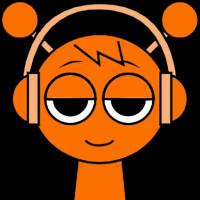
Sponks gives the familiar character-mixing idea a distinctly rounded cast. Nine gray figures wait on separate black pedestals inside a beige room with a window, framed picture and leafy plant. The lower part of the board holds three rows of illustrated sound choices. Drag one onto a waiting body and its appearance changes to match the assigned part. The orange headphone character and red pointed character make those changes particularly easy to recognize. You are arranging an ensemble in place, not steering someone through the room. Leave empty positions whenever you want, listen to a small pairing and replace a single choice to explore another direction. In the original build we checked, these performers remain mostly still while their music plays; continuous performance animation is not part of this verified experience.
Sponks is a named regular mod rather than a release branded as a numbered Phase. The initial scene has a playful appearance, but that classification is not a promise about every optional or hidden item. There is no displayed score, countdown or life counter on the mixing board. Your aim can be as simple as finding a pair you enjoy and testing which third choice complements it. The game's source is diele's itch.io release, and its original credits remain visible inside the player. Treat additional upper-row icons as things to explore at your own pace, not as compulsory stages. No verified campaign finish or recording export is required to enjoy the basic board.

Sponks features
- The visual feedback in Sponks helps you keep track of a growing group. Rounded bodies, large eyes and strong colors distinguish an assigned performer from the waiting gray cast. Instead of memorizing a list of names, remember a picture and the position where you placed it. Start with the headphones and one contrasting shape, then watch which figures changed. A deliberate first pairing gives you a reference for later comparisons. If the board becomes busy, remove a part and look at the remaining colors before making another change. Empty pedestals are useful working space, not evidence that you have failed an objective.
- Twenty-nine main tiles occupy three lower rows, while a separate strip of additional pictures sits across the top. The layout gives you several places to look, but you do not need to try every picture at once. Stay with the lower collection until dragging feels familiar. Hats, flowers, headphones and other outlines provide practical visual labels for your choices. Aim at a waiting figure's body rather than a gap between its pedestal and the next one. After releasing a tile, give the short character transition time to finish. Seeing the changed figure is a clearer assignment check than immediately launching a second drag.
- Individual editing makes Sponks more approachable than rebuilding the whole group after every experiment. Hover over an active figure to reveal a compact control strip with mute, solo and removal symbols. These offer different ways to inspect or revise one position while leaving the rest alone. Removing a figure frees its place for a replacement; muting is a listening comparison rather than the same action. Use one control, inspect the resulting board and then decide what to do next. A two-person arrangement is a good place to learn those symbols because there are fewer moving parts to keep track of.
- The circular arrow near the upper-right corner provides a fresh start. After a brief transition, the waiting cast and available lower tiles return. That makes it straightforward to compare two combinations from the same starting point. Other buttons, including the upper-left menu and folder symbol, are visible without being necessary for the first mix. Explore optional areas only when you want to; the basic activity does not depend on opening every panel. This guide does not promise automatic saving, downloadable recordings or a specific hidden-unlock sequence. A favorite arrangement is easiest to recreate when you remember its pictures and positions yourself.
How to play Sponks
- Open Sponks with the site's play button, then click the flag shown inside the game. Allow the illustrated opening to give way to the room and waiting lineup before dragging. The player loads a substantial self-contained resource package, so the first visit can take longer than a lightweight game. Do not mistake the opening image for a puzzle or repeatedly reload while the stage is still preparing. Once the nine figures and lower tile rows appear, identify a first picture and an empty body. Desktop dragging has been checked; this guide does not assume that every phone or touch gesture behaves identically.
- Hold a lower tile, move it onto the middle of a gray character and release. Check for the new appearance before adding a different tile to another figure. Two choices are enough to establish an initial ensemble. If the picture follows your pointer briefly, let the movement settle instead of making several rapid inputs. If no figure changes, try a clearer central target on an empty body. The room's scenery and spaces between pedestals are not substitutes for a waiting performer. Choose a recognizable pair so you can rebuild it after a reset without needing a written list of every character name.
- Refine Sponks one position at a time. Hover over a performer to find its individual controls, compare a muted or isolated part, or remove it before assigning a replacement. Keep two choices unchanged while trying a third so the difference is easier to follow. A crowded group is not necessarily a better group; leaving room can make a favorite part stand out. Adjust the device volume to suit your surroundings and stop exploring an unfamiliar item if its presentation feels uncomfortable. There is no obligation to exhaust the upper strip or discover every optional interaction before ending the session.
- Use the circular arrow to clear the ensemble when you want a different starting point. Wait for gray figures and available tiles to return, then rebuild your original pair and compare another choice alongside it. Avoid rapidly pressing reset during its transition, since that makes it harder to tell whether the next assignment belongs to the old or new state. You can leave whenever your experiment feels complete; the visible board does not impose a score target. Closing or reloading may lose the current arrangement, because persistent saving and export were not established during the basic check. Remember your selected pictures if you want to revisit a combination later.