CONTENT WARNING
This game contains stylized horror imagery that may not be suitable for younger or sensitive players.
Viewer discretion is advised.
Sprunky Swapped Version
Sprunky Swapped Version
Sprunky Swapped Version
What is Sprunky Swapped Version?
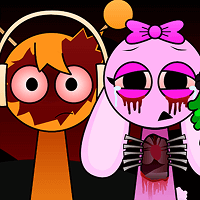
is a creative remix of the popular Sprunky music creation series that introduces an exciting twist - every character has swapped their role with another! This playful reimagining challenges everything you know about the familiar Sprunky experience by giving characters entirely new musical tones and functions, creating a fresh playground for music creation and experimentation.
In this innovative version, the core gameplay mechanics remain intact, but the unexpected sound combinations create an entirely new experience. Characters you've come to know have traded their audio identities - cheerful characters might now produce haunting melodies, while formerly spooky characters deliver upbeat rhythms. This complete role reversal transforms how you approach music creation, encouraging you to discover surprising combinations and rethink your creative strategies.
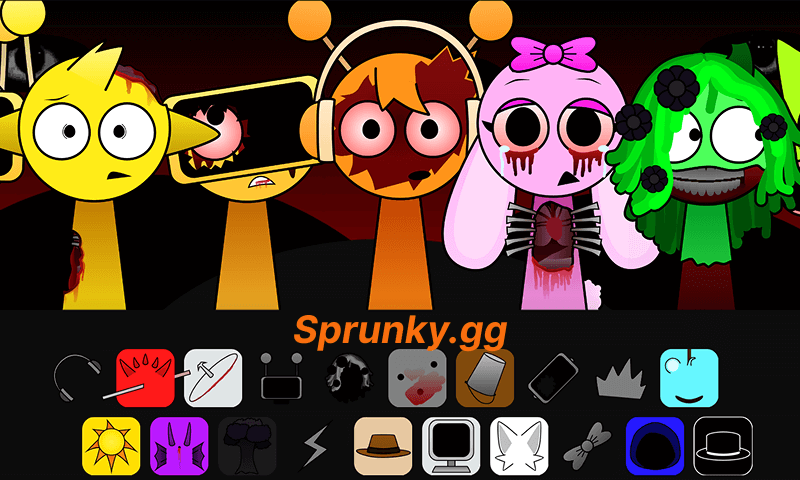
The Swapped Version includes all your favorite characters from the Sprunky universe, but each now performs with borrowed sounds and animations. Notable swaps include Orange (Oren) with Red (Raddy), Silver (Clukr) with Gold (Garnold), and even special characters like Mr. Fun Computer who exchanges places with Fun Bot. Some characters like Mr. Sun have been reimagined entirely as Mr. Moon, while Mr. Tree appears as an Autumn Tree with seasonal changes to both appearance and sound profiles.
Sprunky Swapped Version Features
- Character Role Reversal: Experience familiar characters with completely swapped sounds and functions, creating unexpected musical combinations.
- Creative Sound Discovery: Explore how your favorite characters sound in their new roles, with surprising effects that transform your music creation.
- Experimentation Playground: Build compositions using characters with reversed identities, challenging you to think differently about sound arrangements.
- Visual Identity Swaps: Enjoy reimagined visuals where characters take on new appearances matching their swapped sounds and functionality.
How to Play Sprunky Swapped Version
- Select Your Swapped Characters: Browse through the collection of characters, each now featuring sounds and behaviors swapped with another character in the Sprunky universe.
- Experiment with New Combinations: Drag characters onto the stage and discover how their swapped sounds interact. Familiar visual appearances now produce unexpected audio effects.
- Build Layered Compositions: Combine multiple swapped characters to create unique musical arrangements that wouldn't be possible in the traditional Sprunky experience.
- Unlock Hidden Combinations: Try specific character groupings to discover special bonuses and animations that celebrate the swapped identities in surprising ways.
Editorial Review: A Remix That Rewards Careful Listening
Sprunky Swapped Version works because it interrupts the habits players bring from other character-mixing games. A familiar face no longer guarantees a familiar musical role, so choosing by appearance alone quickly produces a crowded arrangement. The useful response is to listen to each slot as if the character were new. That small change turns the swap concept from a visual joke into a genuine ear-training exercise: players must identify rhythm, bass, melody, texture, and vocal function from the sound itself.
Our assessment is that the mod is most interesting for returning players who already recognize the normal cast. New players can still build a mix, but they miss part of the contrast that makes a role reversal satisfying. The experience is also better for experimentation than for chasing a fixed win condition. Its value comes from comparing arrangements, removing parts that compete, and noticing how the same visual lineup suggests a different musical hierarchy after the sounds have changed.
- Best for returning Sprunky players who want a familiar interface with altered musical expectations.
- Treat every character as an unknown sound source until you hear it in isolation.
- The strongest mixes usually leave room for one clear pulse, one low anchor, and one lead idea.
A Practical Method for Building a Balanced Mix
Begin with one character and let the loop repeat twice before adding anything else. Decide whether that part behaves like a beat, a sustained background texture, a melodic phrase, or a vocal accent. Add a second character only if it fills a different role. If both sounds strike on the same beats or occupy the same pitch range, remove one and test another. This slow audition process takes longer than filling every slot, but it makes the final arrangement clearer and helps expose what has actually been swapped.
Once a pulse and an anchor are established, introduce contrast. A sparse melody can make a dense rhythm easier to follow, while a short vocal phrase can mark the end of a musical cycle. Save the final slot for a color sound rather than another essential layer. That way the arrangement still works when the color is muted. If the mix feels noisy, do not immediately add a character to cover the problem. Remove parts until the groove becomes readable, then rebuild one layer at a time.
How to Compare Swapped Roles Without Guessing
Use an A/B routine to understand a character pair. First play character A alone and note the timing, tone, and energy of the loop. Mute it, play character B, and listen for the same three qualities. Then combine them to learn whether the sounds complement or compete with each other. The goal is not to memorize every supposed exchange immediately; it is to create a dependable personal map of what each visible character contributes in this particular version.
Keep comparisons short. Human hearing adapts to a busy loop and begins to overlook details after repeated playback. Resetting to silence between tests makes the entrance of each sound easier to judge. Headphones can help separate low rhythm parts from midrange melodies, but comfortable volume matters more than loudness. Because fan versions can be revised or hosted in different builds, the playable game on this page is the final source for the sounds you actually hear; written swap lists should be treated as orientation, not a substitute for listening.
Who Should Choose This Version?
Choose Swapped Version when you want discovery and reinterpretation rather than a completely new control system. The drag-and-drop flow is easy to recognize, but the altered roles create enough friction to slow down automatic choices. Players who enjoy arranging by ear, comparing character identities, or making deliberately strange remixes will get more from it than players seeking levels, scores, or competitive challenges.
If this is your first Sprunky-style experience, start with a simple rule: use no more than four active characters until you can describe what each one contributes. If you already know the standard cast, try rebuilding a favorite arrangement without relying on its original lineup. Select parts by musical function instead of character name. That challenge demonstrates the mod's central idea more clearly than filling all available slots, and it produces a mix that reflects your own decisions rather than the visual expectations of another version.